SEO LAB

Medical College of Wisconsin · LaBahn Pancreatic Cancer Program

SEO LAB

  • Robotic Surgery
  • Precision Medicine
  • AI Integration of Multiomics
  • Novel Clinical Trial Designs

Our lab investigates the real-time delivery of precision therapy for pancreatic cancer through a vertically integrated approach: from tissue acquisition using minimally invasive surgery to ex vivo drug sensitivity models, multiomic profiling of clinical specimens, and AI-powered integration of real-world data.

Dr. Seo and Dr. Chandrashekar in the laboratory examining a sample
Dr. Seo and Dr. Kothari in scrubs in a robotic operating room

News

Our publication

Review: rethinking oligometastatic pancreatic cancer

In Cancers, Kshitij Gaur, MD, and colleagues trace how oligometastatic pancreatic cancer has been defined, from early anatomic descriptions to the 2026 OligoPanc consensus of up to three metastases in a single organ. The review weighs recent evidence, including a randomized phase II trial with longer progression-free survival after local treatment, links between metastatic site and gene expression in the primary tumor, and more effective second-line systemic therapy. It proposes induction systemic therapy followed by response-guided local treatment of the metastases and primary tumor as an approach that merits prospective study.

Clinical trial

SOFT Preop trial results presented at ASTRO 2026

William A. Hall, MD, presented the SOFT Preop randomized phase II trial as a late-breaking abstract at the 2026 ASTRO Annual Meeting. The trial compared five treatments of stereotactic body radiation therapy (SBRT) with 28 treatments of chemoradiation before surgery in 102 patients with pancreatic cancer. The proportion of patients with cancer in the lymph nodes at surgery was similar (41% with SBRT, 38% with chemoradiation), and patients who received SBRT reported better physical function and less fatigue. Median overall survival was 26 months with SBRT and 43 months with chemoradiation.

Our publication

Resistance to daraxonrasib depends on the KRAS mutation

In Cancer Research, the McFall laboratory and collaborators, including our lab, showed that pancreatic cancers escape daraxonrasib by different routes. KRAS G12D tumors kept signaling through mutant KRAS and lost cyclophilin A, the protein the drug needs to act. KRAS G12R tumors switched to EGFR and wild-type RAS signaling, which made them sensitive to the MEK inhibitor trametinib. Our slice cultures of patient biopsies showed the same allele-specific response in human tissue, and a patient with KRAS G12R cancer achieved disease control on trametinib-based therapy after progressing on daraxonrasib.

Field news

FDA approves daraxonrasib, the first RAS inhibitor for pancreatic cancer

The FDA approved daraxonrasib (Rasonque) for adults with metastatic pancreatic adenocarcinoma who have received prior systemic therapy. It is a first-in-class oral RAS(ON) inhibitor that blocks the active form of mutant and wild-type RAS, the pathway that drives more than 90% of these cancers. In the phase 3 RASolute 302 trial, median overall survival was 13.2 months with daraxonrasib and 6.7 months with chemotherapy. An accompanying editorial in the New England Journal of Medicine, “Breaking the RAS Barrier in Pancreatic Cancer” (Sivakumar, July 23, 2026), discusses what this means for patients.

    About the lab

    Our approach

    We follow each patient's tumor from the operating room into the laboratory and back to the clinic. Tissue removed at surgery is tested against drugs, profiled in molecular detail and linked to the patient's clinical course, so that what we learn can inform treatment and the design of clinical trials.

    1. Tissue acquisitionTumor tissue is collected from core needle biopsies and during robotic and other minimally invasive operations, together with the patient's clinical data.
    2. Ex vivo drug sensitivity modelsThin slices and core cultures of the living tumor are treated with candidate drugs to measure how that tumor responds.
    3. Multiomic profilingPatient tissue and the matched lab models are studied by DNA and RNA sequencing, pathology and spatial methods that map tumor and immune cells in place.
    4. AI integrationWe use machine learning, foundation models and large language models to synthesize the multiomic data with real-world clinical data and predict treatment response and resistance patterns.
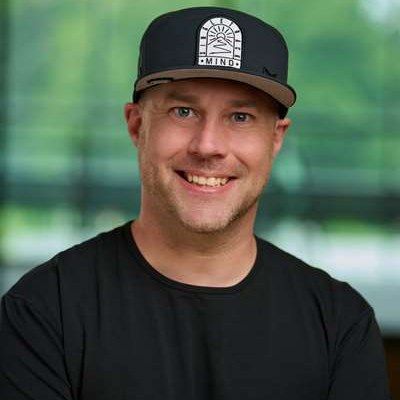
    Dr. Y. David Seo

    Principal Investigator

    Y. David Seo, MD

    Assistant Professor of Surgery, Division of Surgical Oncology, Medical College of Wisconsin

    Dr. Seo is a surgical oncologist and a member of the MCW Cancer Center and the LaBahn Pancreatic Cancer Program. He received his A.B. from Harvard University and his M.D. from the University of Michigan, completed general surgery residency at the University of Washington with a research fellowship at the Fred Hutchinson Cancer Center, and trained in Complex General Surgical Oncology at MD Anderson Cancer Center.

    Board certified
    General Surgery; Complex General Surgical Oncology
    Memberships
    SSO, AACR, ASCO, SSAT, AAS, Central Surgical Association

    Research

    Current projects

    Each project starts with tissue from patients treated in our program.

    Corebiopsy Slices Drug Viability,histology Readout within days

    Organotypic slice culture of core biopsies

    We cut standard-of-care core needle biopsies and surgical specimens into thin slices that keep the tumor and its surrounding cells intact. The slices are treated with the chemotherapy and targeted agents a patient might receive, and response is measured within days by a viability assay and by histology for tumor density, proliferation and cell death. The goal is a practical, real-time sensitivity test that can inform treatment of metastatic pancreatic cancer.

    Manuscript under review at Clinical Cancer Research

    G12DG12R daraxonrasib viability, pERK viability, pERK Allelespecific KRAS-mutant biopsy slices, Fig. 1N–O

    RAS inhibitor response in patient tissue

    We contributed to work led by the McFall laboratory, using slice cultures of treatment-naive biopsies to test the RAS(ON) inhibitor daraxonrasib in tumors carrying different KRAS mutations. Slices from a KRAS G12R tumor lost more viability and nuclear density than slices from a KRAS G12D tumor, and immunostaining for phosphorylated ERK showed pathway suppression in the G12R tissue that was not seen in the G12D tissue at 48 hours. The study connects allele-specific RAS biology to the choice of salvage therapy after resistance.

    Dorbin, Herrera, Davidson et al. Cancer Research 2026, Figure 1N–O

    Genomics (CGP) Transcriptomics Clinical, surgical NeoadjuvantresponseOutcome afterresection

    Drivers of neoadjuvant response and outcome

    The LaBahn Pancreatic Cancer Program takes a unified approach to neoadjuvant therapy, delivering chemotherapy followed by chemoradiation before surgery. The program has conducted several neoadjuvant clinical trials with novel designs that ask which precision and adaptive approaches best optimize response before resection. All resected tumors undergo comprehensive genomic profiling (CGP), and the resulting genomic and transcriptomic data are linked back to clinical and surgical data to identify drivers of response to neoadjuvant therapy and of outcomes after resection.

    Clinical trials

    Translation in prospective trials

    The lab contributes translational science to trials in the MCW LaBahn Pancreatic Cancer Program.

    NCT03704662

    SOFT Preop

    Accrual complete

    Randomized phase II trial of preoperative stereotactic body radiation therapy versus conventionally fractionated chemoradiation for resectable, borderline resectable or locally advanced type A pancreatic adenocarcinoma.

    PI: William A. Hall, MDClinicalTrials.gov
    NCT03322995

    PANC

    Recruiting

    Phase II trial of adaptive modification of neoadjuvant therapy based on clinical response in patients with localized pancreatic cancer.

    MCW LaBahn Pancreatic Cancer ProgramClinicalTrials.gov
    NCT04683315

    PANCREAS

    Closed

    Phase II trial of PurIST classification-guided adaptive neoadjuvant chemotherapy, using RNA expression profiling of endoscopic ultrasound aspiration samples.

    MCW LaBahn Pancreatic Cancer ProgramClinicalTrials.gov
    MCW IIT

    PANC-PLUS

    In development

    Oligometastatic PANcreatic Cancer: Progression-Limiting Utility of SBRT, Surgery, and Sonographic Ablation. A single-arm investigator-initiated trial for patients with oligometastatic pancreatic cancer. Patients receive metastasis-directed therapy with stereotactic body radiation, surgery or histotripsy, and tissue-based drug sensitivity testing with molecular profiling guides precision therapy after treatment.

    PI: Y. David Seo, MDCo-PIs: William A. Hall, MD; Mandana Kamgar, MD, MPH

    People

    The lab

    Naveen Kumar ChandrashekarNaveen Kumar Chandrashekar, PhDPostdoctoral Fellow
    Kshitij GaurKshitij Gaur, MDT32 Resident Research Fellow
    Meghan ConroyMeghan Conroy, MDAnai Lab Resident Research Fellow
    Swapna BeraSwapna Bera, PhDPrecision Medicine Coordinator and Technician
    Ella ScheuberElla ScheuberLab Manager and Research Technologist
    Bhabishya NeupaneBhabishya NeupaneSenior Programmer Analyst
    Matt SochorMatt Sochor, PhDData Scientist

    LaBahn Pancreatic Cancer Program

    Melissa MenaMelissa MenaDirector
    Mohammed AldakkakMohammed Aldakkak, MDPI, Surgical Oncology Tissue Bank
    Katie HoffmannKatie HoffmannClinical Genomics Operations Manager

    Medical students

    Jason YuanJason YuanMS3
    Bahda YunBahda YunMS3
    Eugene ChenEugene ChenMS3
    Imaad SaidImaad SaidMS3
    Megan ZellerMS3
    Thomas HansenMS3
    Eddie OpichkaEddie OpichkaMS2
    Maggie SheeMaggie SheeMS2
    Rhea RahimRhea RahimMS2
    Aiden SchmitzAiden SchmitzMS1
    Peter HunsaderPeter HunsaderMS1
    Sriram ArvindSriram ArvindMS1
    Christian MohrMedical Student
    Brendan ProsserMedical Student

    Alumni

    Gopika SenthilKumarGopika SenthilKumar, MD, PhDGeneral Surgery Resident, University of Pennsylvania
    Shahmeer Mohydin, MDGeneral Surgery Resident, Houston Methodist

    Collaborators

    Thomas McFall, PhD

    McFall Lab

    Thomas McFall, PhD
    Assistant Professor of Biochemistry

    Studies RAS proteins and how different RAS mutations behave across cancer types, with a focus on why cancers become resistant to RAS-targeted therapy and how to overcome it with treatments matched to each mutation.

    Lab website
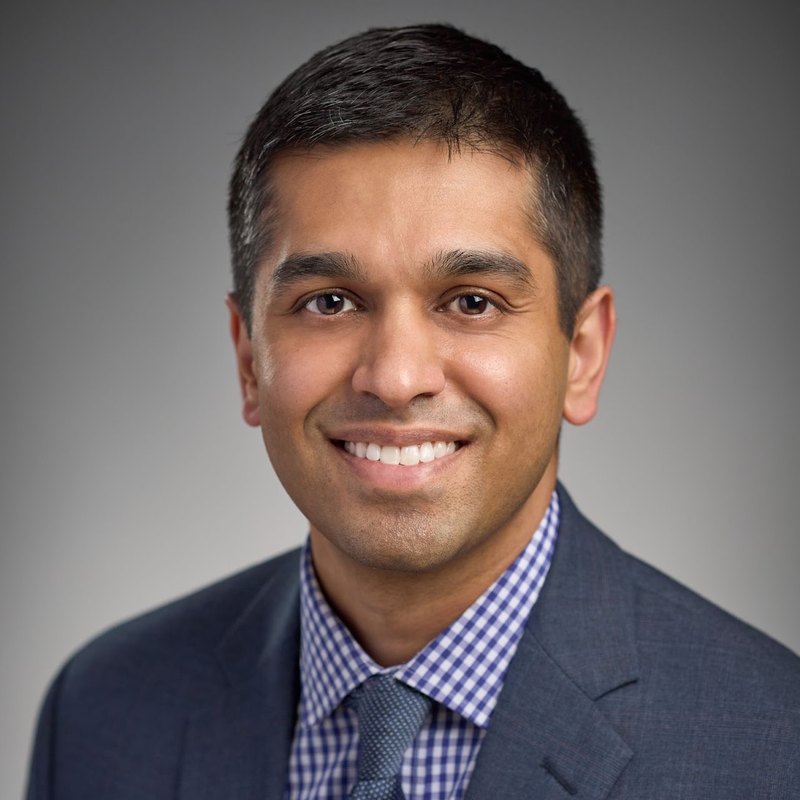
    Anai Kothari, MD, MS

    Anai Lab

    Anai Kothari, MD, MS
    Associate Professor of Surgery, Surgical Oncology

    Uses data science and artificial intelligence to improve surgical care: foundational machine learning models, integration of real-world clinical data, and cloud-based tools for population health questions.

    Lab website
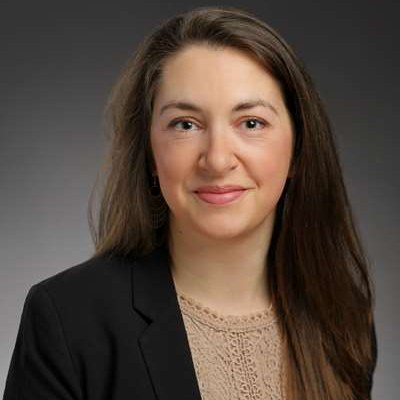
    Nikki Lytle, PhD

    Lytle Lab

    Nikki Lytle, PhD
    Assistant Professor of Surgery, Surgical Oncology

    Studies how tissue injury and interactions in the tumor microenvironment drive the initiation and metastasis of pancreatic and breast cancer, using single-cell analyses and mouse models.

    Lab website

    Publications

    Selected publications

    Full lists: Google Scholar · NCBI bibliography

    MCW Seo Lab

    2026Allele-specific mechanisms guide salvage therapy to overcome daraxonrasib resistance in pancreatic cancerDorbin D, Herrera J, Davidson R, Chandrashekar NK, … Seo YD, Kurzrock R, Hobbs GA, Kamgar M, McFall TCancer Research · doi:10.1158/0008-5472.CAN-26-1181
    2026AI-derived electronic tumor marker for cancer antigen 19-9 nonproducers with pancreatic ductal adenocarcinomaThalji SZ, Aldakkak M, Ramamurthi A, … Seo YD, … Tsai S, Kothari ANJAMA Surgery 161:508–516 · doi:10.1001/jamasurg.2026.0291
    2026Mutant and wild-type RAS cross-talk and stoichiometric deficiencies are determinants of sensitivity to targeted therapies in KRASG12R pancreatic ductal adenocarcinomaKamgar M, Hobbs GA, Davidson R, … Seo YD, … McFall TCancer Research 86:2042–2059 · doi:10.1158/0008-5472.CAN-25-0018
    2025Understanding unrealized trial enrollments following patient-to-trial matching with large language modelsVerhagen CT, Westerman G, Heaviland H, … Seo YD, Clarke CN, George B, Kothari ANSurgery 191:109915 · doi:10.1016/j.surg.2025.109915

    Earlier highlights

    2025Cancer testis antigen expression correlates with immune activation and survival in small bowel neuroendocrine tumorsAyabe RI*, Seo YD*, Melendez B, … Maxwell JE (*contributed equally)JCO Precision Oncology e2500107 · doi:10.1200/PO-25-00107
    2024Randomized placebo-controlled, biomarker-stratified phase Ib microbiome modulation in melanoma: impact of antibiotic preconditioning on microbiome and immunityGlitza IC*, Seo YD*, Spencer CN, Wortman JR, … Wargo JA (*contributed equally)Cancer Discovery · doi:10.1158/2159-8290.CD-24-0066
    2023Efficacy of immune checkpoint inhibitors for the treatment of advanced melanoma in patients with concomitant chronic lymphocytic leukemiaCass SH, Tobin JWD, Seo YD, Gener-Ricos G, … Long GV, Wargo JA, Ferrajoli AAnnals of Oncology 34:796–805 · doi:10.1016/j.annonc.2023.06.007
    2023Toll-like receptor 4 agonist injection with concurrent radiotherapy in patients with metastatic soft tissue sarcoma: a phase 1 nonrandomized controlled trialSeo YD, Lu H, Black G, … Pollack SMJAMA Oncology · doi:10.1001/jamaoncol.2023.4015
    2020Tumor slice culture as a biologic surrogate of human cancerKenerson HL, Sullivan KM, Seo YD, … Yeung RSAnnals of Translational Medicine 8:114 · doi:10.21037/atm.2019.12.88
    2019Mobilization of CD8+ T cells via CXCR4 blockade facilitates PD-1 checkpoint therapy in human pancreatic cancerSeo YD, Jiang X, Sullivan KM, … Pillarisetty VGClinical Cancer Research 25:3934–3945 · doi:10.1158/1078-0432.CCR-19-0081
    2019Establishment of slice cultures as a tool to study the cancer immune microenvironmentJiang X, Seo YD, Sullivan KM, Pillarisetty VGMethods in Molecular Biology 1884:283–295 · doi:10.1007/978-1-4939-8885-3_20
    2017Long-lived pancreatic ductal adenocarcinoma slice cultures enable precise study of the immune microenvironmentJiang X, Seo YD, Chang JH, … Pillarisetty VGOncoimmunology 6:e1333210 · doi:10.1080/2162402X.2017.1333210

    Reviews

    2026The evolution of oligometastatic pancreatic ductal adenocarcinoma: from anatomic description to biologically informed patient selectionGaur KS, Hall WA, Kamgar M, McFall T, Evans DB, Seo YDCancers 18:3376 · doi:10.3390/cancers18203376
    2026Optimal management of resectable pancreatic ductal adenocarcinomaSeo YD, Kamgar MAnnals of Pancreatic Cancer 9:4 · doi:10.21037/apc-25-33
    2025The Landmark Series: the future of pancreatic cancer clinical trialsSeo YD, Katz MHG, Snyder RAAnnals of Surgical Oncology 32:2777–2785 · doi:10.1245/s10434-024-16840-2
    2022Preoperative therapy for pancreatic adenocarcinoma: precision beyond anatomySeo YD, Katz MHGCancer 128:3041–3056 · doi:10.1002/cncr.34273
    2020The CXCL12-CXCR4/CXCR7 axis as a mechanism of immune resistance in gastrointestinal malignanciesDaniel SK, Seo YD, Pillarisetty VGSeminars in Cancer Biology 65:176–188 · doi:10.1016/j.semcancer.2019.12.007
    2017T-cell programming in pancreatic adenocarcinoma: a reviewSeo YD, Pillarisetty VGCancer Gene Therapy 24:106–113 · doi:10.1038/cgt.2016.66

    Other works

    2025Defining the role of adjuvant radiotherapy for biliary tract cancers: a site-specific propensity-matched analysisSeo YD, Acidi B, Newton A, Haddad A, … Vauthey JN, Tran Cao HSCancers 17:494 · doi:10.3390/cancers17030494
    2024Intratumoral T-cell receptor repertoire composition predicts overall survival in patients with pancreatic ductal adenocarcinomaPothuri VS, Hogg GD, Conant L, … Seo YD, Hawkins WG, Pillarisetty VG, DeNardo DG, Fields RCOncoimmunology 13:2320411 · doi:10.1080/2162402X.2024.2320411
    2023Blockade of interleukin 10 potentiates antitumour immune function in human colorectal cancer liver metastasesSullivan KM, Jiang X, Guha P, … Seo YD, … Pillarisetty VGGut 72:325–337 · doi:10.1136/gutjnl-2021-325808
    2022Neoadjuvant therapy induces a potent immune response to sarcoma, dominated by myeloid and B cellsGoff PH, Riolobos L, LaFleur BJ, Spraker MB, Seo YD, … Pollack SMClinical Cancer Research 28:1701–1711 · doi:10.1158/1078-0432.CCR-21-4239

    Talks and posters

    Presented at national meetings

    DateMeetingWorkPresenter
    Sep 2026Society of Asian Academic Surgeons Annual Meeting, CincinnatiPlenary oralEx vivo organotypic tumor model of metastatic core biopsy as a platform for real-time personalized therapy in pancreatic adenocarcinomaM. Shee
    Y.D. Seo
    Sep 2026AACR Special Conference on Pancreatic Cancer, San DiegoPosterOncostatin M receptor is a tumor-selective target in pancreatic ductal adenocarcinomaN. Chandrashekar
    E. Opichka
    Sep 2026AACR Special Conference on Pancreatic Cancer, San DiegoPosterLung as the first site of recurrence predicts long-term overall survival in resected pancreatic adenocarcinomaK. Gaur
    Sep 2026AACR Special Conference on Pancreatic Cancer, San DiegoPosterTP53 mutant variant allele frequency improves machine-learning prediction of post-operative survival in pancreatic cancer and marks a proliferative transcriptional programK. Gaur
    May 2026Pancreas Club, ChicagoOralEx vivo organotypic tumor model of metastatic core biopsyY.D. Seo
    May 2026Pancreas Club, ChicagoOralVariant allele frequency machine learning model identifies TP53-mutant phenotypes with worse post-operative survivalK. Gaur
    Apr 2026AACR Annual Meeting, San DiegoPosterTP53 mutant variant allele frequency can improve machine learning prediction of post-operative survival outcomes in pancreatic cancerE. Chen
    M. Zeller
    Mar 2026Society of Surgical Oncology Annual Meeting, PhoenixOralTP53 mutant variant allele frequency improves machine learning prediction of post-operative survival in pancreatic cancerI. Said
    Oct 2025AACR Pancreatic Cancer Symposium, BostonInvited posterEx vivo organotypic tumor model of metastatic core biopsyN. Chandrashekar
    J. Yuan
    Sep 2025Society of Asian Academic Surgeons Annual Meeting, Huntington BeachOralProlonged survival after resection of isolated metachronous pulmonary metastases in pancreatic adenocarcinomaB. Yun
    Jun 2025Central Surgical Association Annual Meeting, IndianapolisOralImpact of surgery on overall survival in locally advanced pancreatic adenocarcinomaG. SenthilKumar
    May 2025Digestive Disease Week, San DiegoSSAT Shark Tank Innovator Contest, selected SSAT representativeBridging biopsy to bedside: organotypic core cultures for precision oncologyY.D. Seo

    Contact us

    Work with the lab

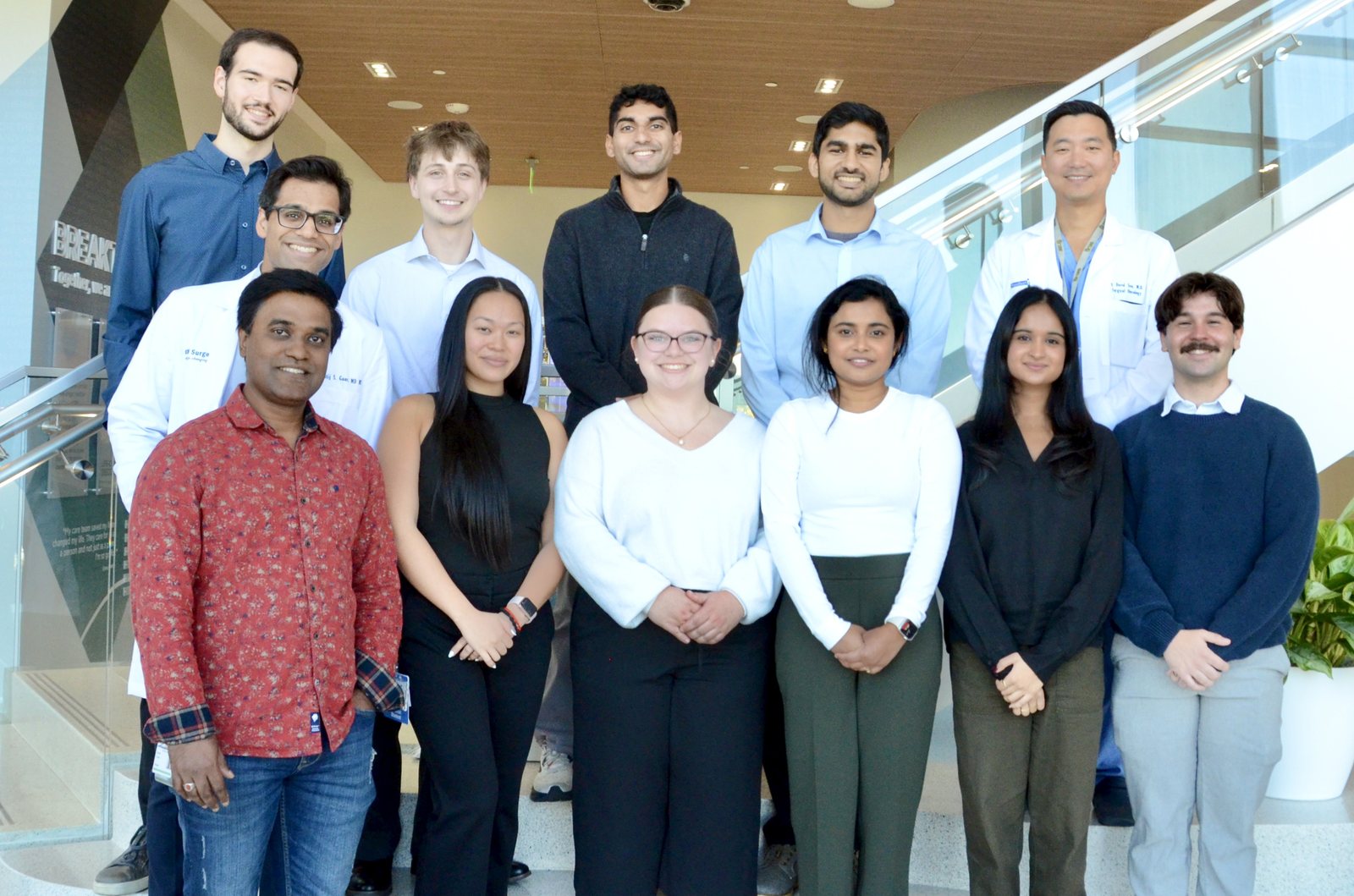
    Seo Lab members, October 2026

    Join the lab

    We welcome inquiries from medical students, residents and postdoctoral candidates interested in translational pancreatic cancer research. Send a CV and a short note on your interests.

    Join us

    Collaborate

    We welcome collaborations with clinical, laboratory and computational groups, including studies that use patient tissue, ex vivo drug testing, multiomic profiling or clinical trials. Send a short note on the project you have in mind.

    Collaborate

    Email

    dave@seo-lab.org

    Administrative assistant: Amanda Vogl, avogl@mcw.edu

    Address

    Seo Lab
    Division of Surgical Oncology
    Medical College of Wisconsin
    8701 Watertown Plank Road
    Milwaukee, WI 53226